

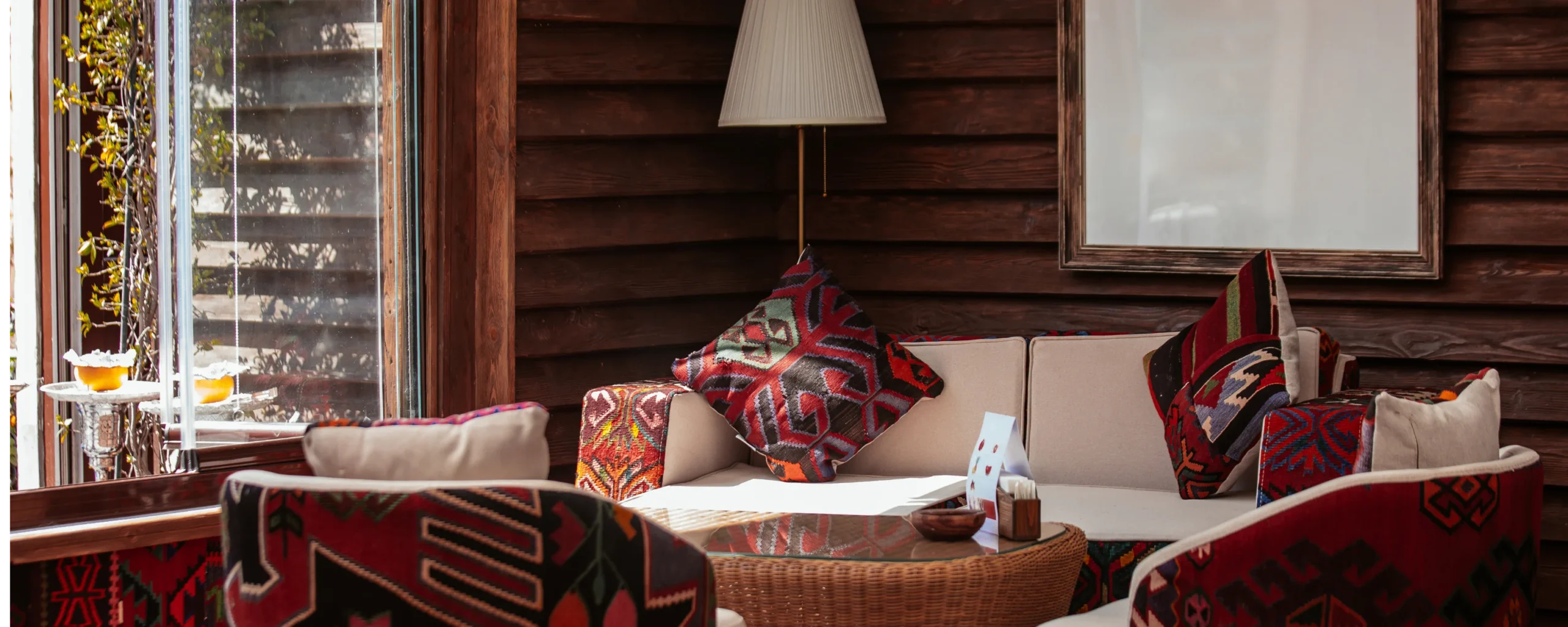
In an increasingly globalized design market, buyers are no longer searching only for furniture that looks good—they are seeking authenticity, quality, and a story behind every piece. Indian handcrafted furniture has emerged as a global favorite, admired for its rich heritage, skilled craftsmanship, and exceptional value. From luxury residences and boutique hotels to large-scale commercial projects, Indian furniture continues to find its place in homes and businesses across the USA, Europe, the Middle East, and beyond.
At the heart of this growing demand lies India’s centuries-old tradition of craftsmanship. Furniture making in India is deeply rooted in cultural heritage, passed down through generations of skilled artisans. These craftsmen possess an intimate understanding of materials, joinery, and hand-finishing techniques that cannot be replicated by machines alone. Each piece reflects hours of meticulous labor, attention to detail, and respect for the natural character of the material. This human touch gives Indian handcrafted furniture a level of depth and authenticity that mass-produced alternatives often lack.
Solid wood plays a central role in Indian furniture craftsmanship. Teak, sheesham, mango wood, and other hardwoods are selected for their durability, grain quality, and ability to age beautifully over time. Unlike engineered wood products, solid wood furniture offers longevity and structural strength—qualities that are especially valued in international markets. Over time, these materials develop a rich patina, adding character rather than showing wear. For global buyers, this durability translates into long-term value and reduced replacement costs.
Another key reason for the worldwide appeal of Indian handcrafted furniture is its versatility in design. Indian manufacturers have successfully evolved from traditional, ornate styles to contemporary, minimalist, and luxury designs that align with global tastes. Clean silhouettes, balanced proportions, and understated detailing allow Indian furniture to integrate seamlessly into modern interiors while still retaining its handcrafted soul. This adaptability makes Indian furniture highly desirable for architects and designers working across diverse design languages and project types.
Global buyers also trust Indian furniture exporters for their ability to deliver customization at scale. Unlike mass-production hubs that rely heavily on standardization, Indian manufacturers are uniquely positioned to offer bespoke solutions. Custom dimensions, finishes, materials, and design modifications are often part of the production process. This flexibility is especially valuable for hospitality, office, and retail projects, where furniture must align precisely with brand identity and spatial requirements. Indian exporters understand this need and have built their processes around collaborative, client-driven manufacturing.
Cost efficiency without compromise is another factor driving international demand. India offers a rare balance of skilled labor, material access, and manufacturing expertise that allows exporters to maintain high quality while remaining competitively priced. Global buyers benefit from premium craftsmanship and solid wood construction at a cost that often outperforms other sourcing markets. This value proposition makes India an attractive sourcing destination for both luxury and large-volume projects.
Trust is further reinforced through improved manufacturing standards and quality control systems. Today’s leading Indian furniture exporters follow stringent quality checks at every stage of production—from raw material selection and moisture control to finishing and final inspection. Many exporters also comply with international standards related to packaging, fumigation, and export regulations, ensuring that products arrive safely and consistently across global markets. This professionalism has strengthened India’s reputation as a reliable sourcing partner.